

The Seven FMLA Mistakes Costing Small Businesses
Running leave correctly protects your team and keeps payroll filings consistent with federal requirements. Mastering FMLA compliance for small business comes down to three core practices: clear documentation, organized records, and timely notification. When these three systems work together, leave management becomes a routine part of payroll, not a source of worry.
Most common FMLA mistakes come from three gaps
Most leave mistakes come from three gaps: leave requests not written down, HR records mixed in with payroll, and notification deadlines missed. When you fix these three gaps—and they are fixable—leave management becomes predictable and compliant. Here's what each gap looks like and how to close it. Settlement amounts vary based on the scope of the mistakes, from modest amounts in isolated incidents to larger penalties when multiple workers are affected or the violations reveal a pattern across the company.
Small businesses without HR staff need simple systems to handle leave requests correctly.
Small businesses without a dedicated HR person often handle leave requests informally—through email or a quick conversation. The fix is simpler than you'd think: create a one-page leave request form and a small calendar reminder. That two-step system closes nearly every compliance gap. When FMLA requests arrive, employers who rely on verbal approvals and email threads frequently miss the federally required written notice deadlines, creating documentation gaps that turn into compliance questions later.
Documentation Mastery: The First Pillar of FMLA Compliance
When an employee tells you they need time off for surgery or to care for a sick parent, the first thing you must do is write it down. Federal law requires employers to document every leave request in writing and retain those records for at least three years. That documentation is not optional paperwork — it is your proof that you followed the rules when the Department of Labor asks or when a question is raised.
Documentation is your proof that you handled the request correctly. When an employee asks about leave or the Department of Labor reviews your records, written documentation shows exactly what you did and when. Every leave request must capture five specific fields: employee name, date of request, reason for leave, expected duration, and your response as the employer. Missing any one of those creates a compliance gap that becomes a problem later, because you can't explain your decisions clearly when a question comes up.

HR Record-Keeping: The Second Pillar
FMLA HR documentation requirements rest on a foundation of organized, separate HR records for each employee eligible for leave. Keep leave records separate from payroll. Your leave file for each employee should show: eligibility dates, hours worked, every request (approved or denied), and why you approved or denied it. That trail is your defense if a question ever comes up.
The common shortcut is storing leave notes in payroll spreadsheets or timekeeping systems. Instead, set up one separate folder (digital or physical) per employee. When you pull that folder, you can answer any question in minutes. Clean, separate HR files allow you to respond to Department of Labor requests within days, not weeks, and demonstrate your compliance decisions were consistent and lawful.
This second pillar builds directly on documentation mastery. Where proper intake forms capture the initial request, organized records create a system to track and audit leave across your entire eligible workforce. That audit trail is your defense.

Notification Timeline: The Third Pillar
The third compliance pillar trips up small employers even when they grant the leave: written notification timing. Federal law sets two hard deadlines. First, when you hire an employee who meets the FMLA threshold—fifty employees within seventy-five miles, worked twelve months, logged 1,250 hours—you have two business days to notify them in writing that they are eligible. Second, when that employee requests leave, you have five business days to notify them whether the leave is approved, denied, or needs more documentation.
The two hardest deadlines to hit are notification timing. When you hire someone who qualifies for FMLA, give them written notice within two business days. When they request leave, approve or deny it in writing within five business days. A simple calendar reminder system keeps these on track. Small businesses miss these cases because there is no system tracking when notice was due: hiring paperwork gets filed without eligibility checks, leave requests arrive via text or voicemail, and nobody realizes five days have passed.
Set up a simple calendar reminder for the two-business-day and five-business-day windows. Log the dates, send the notice, and file a copy. July is a good time to build this system before Q3 hiring picks up and fall leave requests begin.
Interactive Compliance Audit: 30-Minute Review
The first step toward running leave correctly is understanding where your process stands today. This audit walks small business owners through a three-part checklist covering documentation completeness, HR record organization, and notification timeline compliance—the three pillars that prevent mistakes.
Documentation Completeness: Do you have written records of every leave request received in the past three years? Can you produce copies of eligibility notices sent to employees? If either answer is no, your documentation pillar needs immediate attention. Missing request records mean you can't explain your decisions clearly if a question comes up.
- HR Record Organization: Are leave files separate from payroll? Do they show hours worked, eligibility, and your approval decision? These details help you answer questions during Department of Labor reviews.
- Notification Timeline Compliance: Did you provide eligibility notices within two business days of hire? Leave determination notices within five business days of each request? Missing these deadlines counts as a compliance gap even when leave was granted. Audit findings tell you exactly which pillar requires action before Q3 hiring begins.
Ready-to-Use Templates and Next Steps
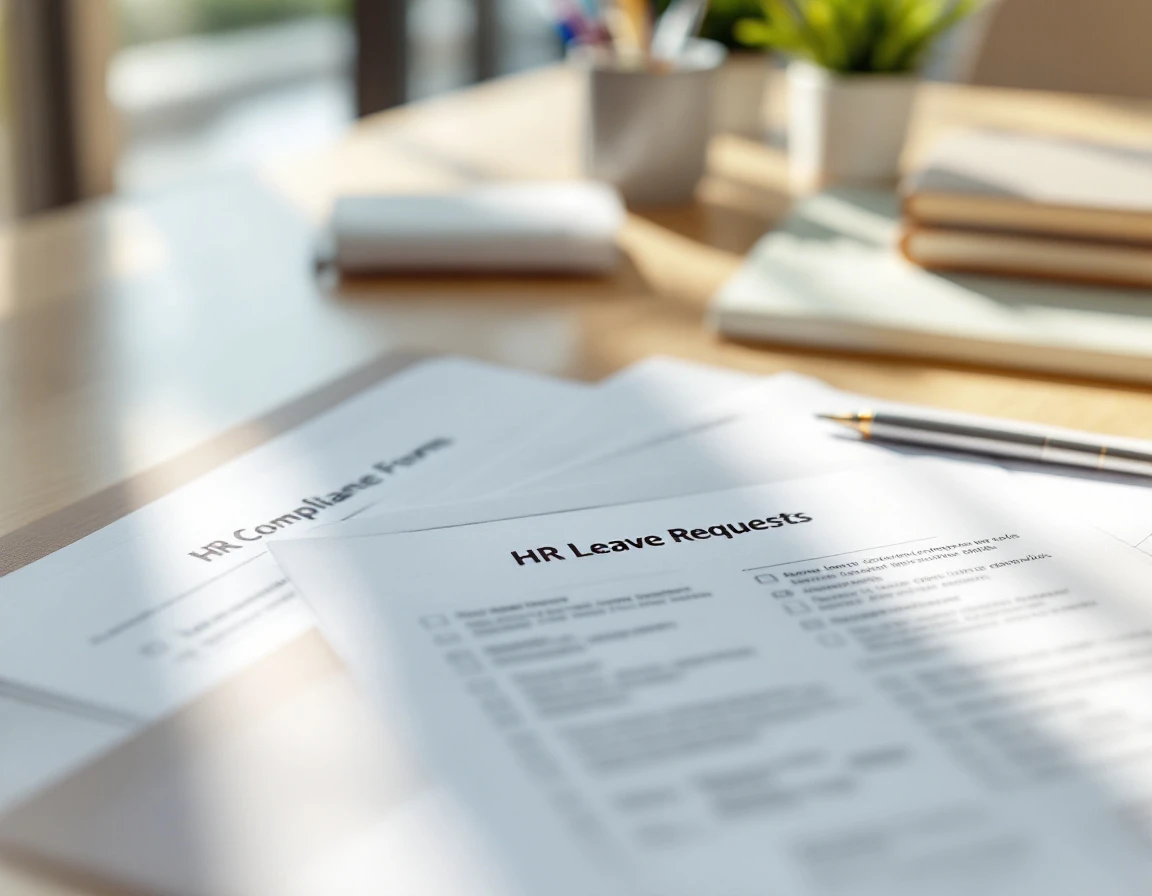
Three templates address the core FMLA compliance needs: a leave request documentation form that captures the details required for the three-year retention rule, an eligibility notice letter that meets the two-business-day hire notification window, and a notification deadline checklist that tracks the five-business-day leave determination timeline. These templates are drafted to meet federal requirements and can be implemented immediately without legal revision in most cases.
Set up a simple calendar reminder system for the two-business-day and five-business-day notification windows. Implementation in July positions small businesses to handle Q3 hiring and fall leave requests with confidence. Using these templates, mastering the three pillars, and conducting the audit together prevent the seven most common FMLA mistakes that create compliance questions.
Learn how PayDayPuffin Payroll keeps leave documentation synchronized with payroll, so notification deadlines never slip and your records are ready when you need them.